Italian Alps · Cima Coppi · Three approaches
Conquer Passo dello Stelvio: 48 Hairpins to 2,757 m from Prato allo Stelvio
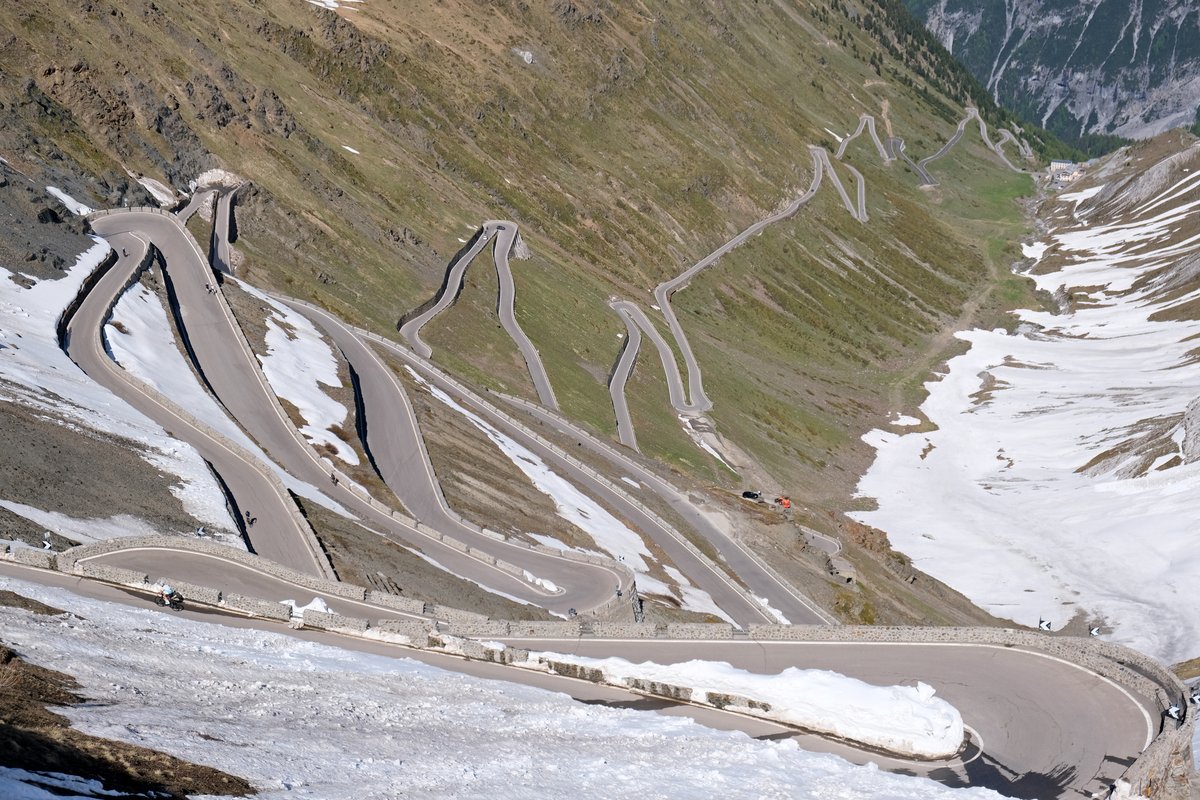
Forty-eight numbered hairpins, 1,808 m of climbing and a summit at 2,757 m: the Stelvio is the highest pass road in Italy, the highest point the Giro d'Italia has ever reached, and the climb most cyclists picture when they think of Alpine switchbacks.
Quick facts
- Distance
- 24.3 km
- Average grade
- 7.4%
- Max grade
- ~12% (short ramps)
- Elevation gain
- 1,808 m
- Summit
- 2,757 m
The experience
Three paved roads reach the 2,757 m summit, where South Tyrol, Lombardy and Switzerland meet. Prato allo Stelvio (north-east), the famous one: 24.3 km at 7.4%, 1,808 m of climbing, ~11–12% on short ramps near the top. It has an easy valley start, then after the Trafoi stream bridge only one kilometre drops below 7%, and the 48 numbered hairpins count down to the pass.
Bormio (south-west), wilder and more irregular: 21.5 km at 7.1%, 1,533 m, up to ~14% between km 10 and 11. It has about 40 hairpins and lit rock tunnels after roughly 8 km. At Bocca del Braulio (about 2,000 m) you get about three kilometres of 4–5% to recover before the last four kilometres at over 8%.
Santa Maria via the Umbrail Pass (Switzerland), the quiet one: ~16.5 km at ~8.4%, ~1,400 m, max ~11%. It is shortest but steepest on average, narrow, with about 40 unnumbered hairpins. It joins the Bormio road at the Umbrail Pass (2,501 m) for the last three kilometres or so.
Which side? First time: Prato, for the classic view and the hairpin countdown. Variety and fewer motorbikes on the hairpins: Bormio. Quiet: the Umbrail. Bormio is also a natural base for riding the Gavia and Mortirolo on other days.
The Stelvio is long rather than brutal: from Prato it is like Alpe d'Huez plus another ten kilometres, and most riders need between an hour and a half and three hours. The last third is above 2,000 m, and the summit is often around 12 °C colder than Prato. Summer weekends bring heavy car and motorbike traffic. Stelvio Bike Day closes all three roads to motor traffic (in 2026: Saturday 29 August, 8:00 to 16:00).
History: the road was built by the Austrian Empire between 1820 and 1825 under the engineer Carlo Donegani. The Giro first crossed it in 1953, when Fausto Coppi dropped Hugo Koblet and won his fifth Giro. It is the Giro's highest-ever point and its Cima Coppi par excellence, classified twelve times, most recently in 2020 (Rohan Dennis led Tao Geoghegan Hart and Jai Hindley over the top). Snow or avalanche risk removed it in 1965, 1988, 2013 and 2024.
Our one-day plan from Prato: (1) valley road to the Trafoi bridge: easy, warm up, eat once; (2) forest and Trafoi: settle into a low gear at full-sentence effort; (3) Franzenshöhe and the open hairpin wall: still 600+ m to go at hairpin 24, so eat and refill here; (4) final hairpins: hard but controlled, lift the effort only near the top if you feel good; (5) descent: jacket and gloves on, brake before each hairpin. Leave Prato by around 8:00 in July or August. Strong riders can loop back via the Umbrail, Santa Maria and Glurns (roughly 60 km, carry ID).
Pro tips
- Mistake: starting too hard: The valley road feels easy, but the 48 hairpins have not even started yet.
- Mistake: pacing by hairpin numbers: Hairpin 24 is halfway by number, but more than 600 m of climbing are still ahead.
- Mistake: underestimating the cold: It can be summer in Prato and close to freezing at the top, especially in June and September.
- Mistake: not checking the pass is open: It usually opens in late May and closes around late October or early November; in 2025 the South Tyrol side shut on 31 October, a week before the rest.
- Gear low and eat early: A compact with a wide cassette (for example 34×30–34) and roughly 30–60 g of carbohydrate per hour from the first half hour.
- Refill in Trafoi or at Franzenshöhe: Above that, the next real stop is the summit.
- Ride early or on Bike Day: Early mornings are calm and beat the afternoon storms.
Reference time
There's no official climb record. The fastest reported Giro ascent we could find is from Giro d'Italia 2020, stage 18, when Rohan Dennis, Tao Geoghegan Hart and Jai Hindley crested together:
- 1:11:23 over about 24.7 km, according to BiciDaStrada (source)
- 1:10:16 according to OA Sport (source). Its stated distance of 27.5 km doesn't match its own average speed of 20.73 km/h, so treat this figure with care.
The sources disagree by more than a minute, so this is shown as a reference time, not a record.
Estimate your time up Passo dello Stelvio
By our model, a 72 kg rider on an 8 kg bike holding 216 W (3 W/kg) needs about 2:01 for the 24.3 km and 1,808 m of Passo dello Stelvio. Enter your weight, your bike's weight and the power you can hold for about an hour of climbing.
Estimated time: 2:01:17
More about the climb time calculator ·
Steady power, no wind, no stops, and the average grade of the whole climb. Steep ramps, flat sections and descents are only evened out roughly, so irregular climbs will be less accurate. Your values are saved only in this browser.
What was your average speed?
Enter your time from the bottom to the top (24.3 km).
More climbs to compare
Col du Galibier
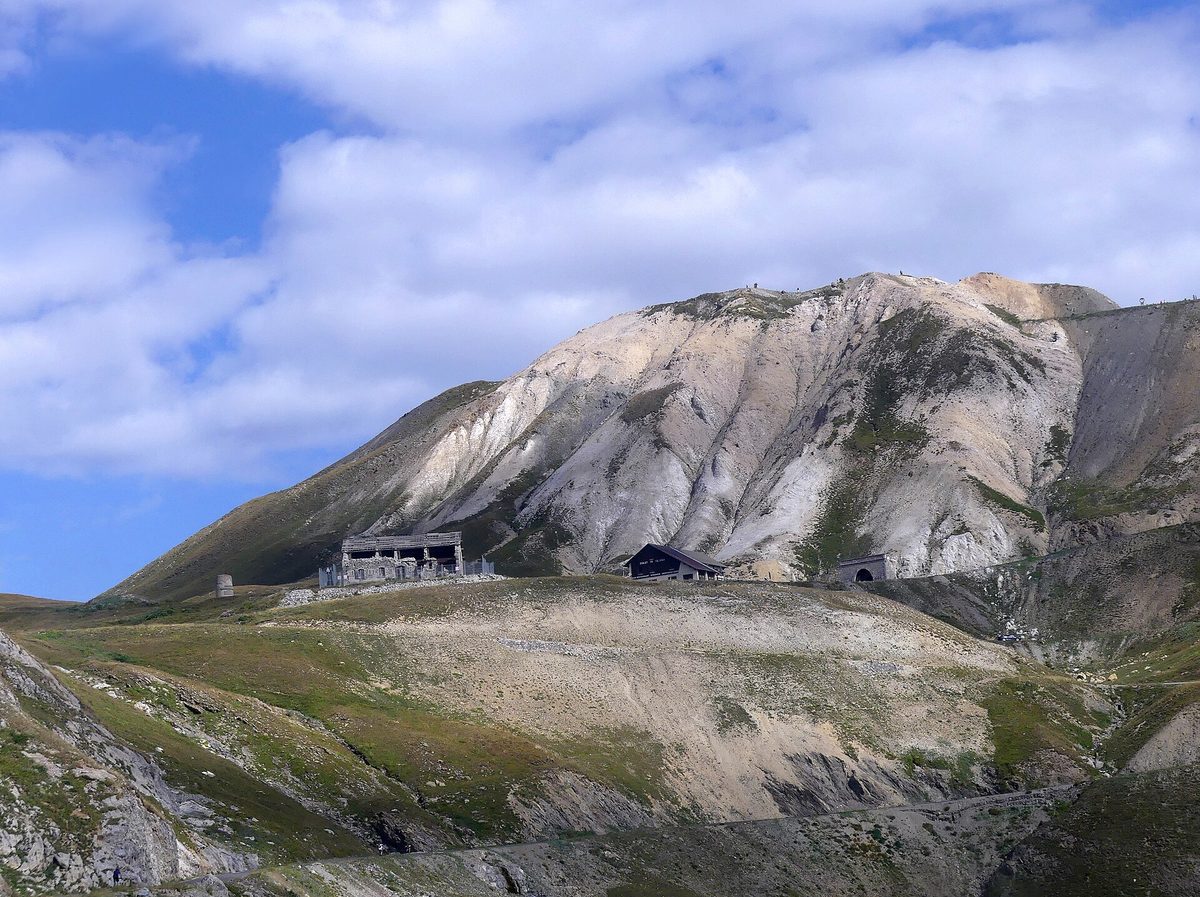
Roof of the Alps — 18.1 km · 6.9% avg
Télégraphe + Galibier
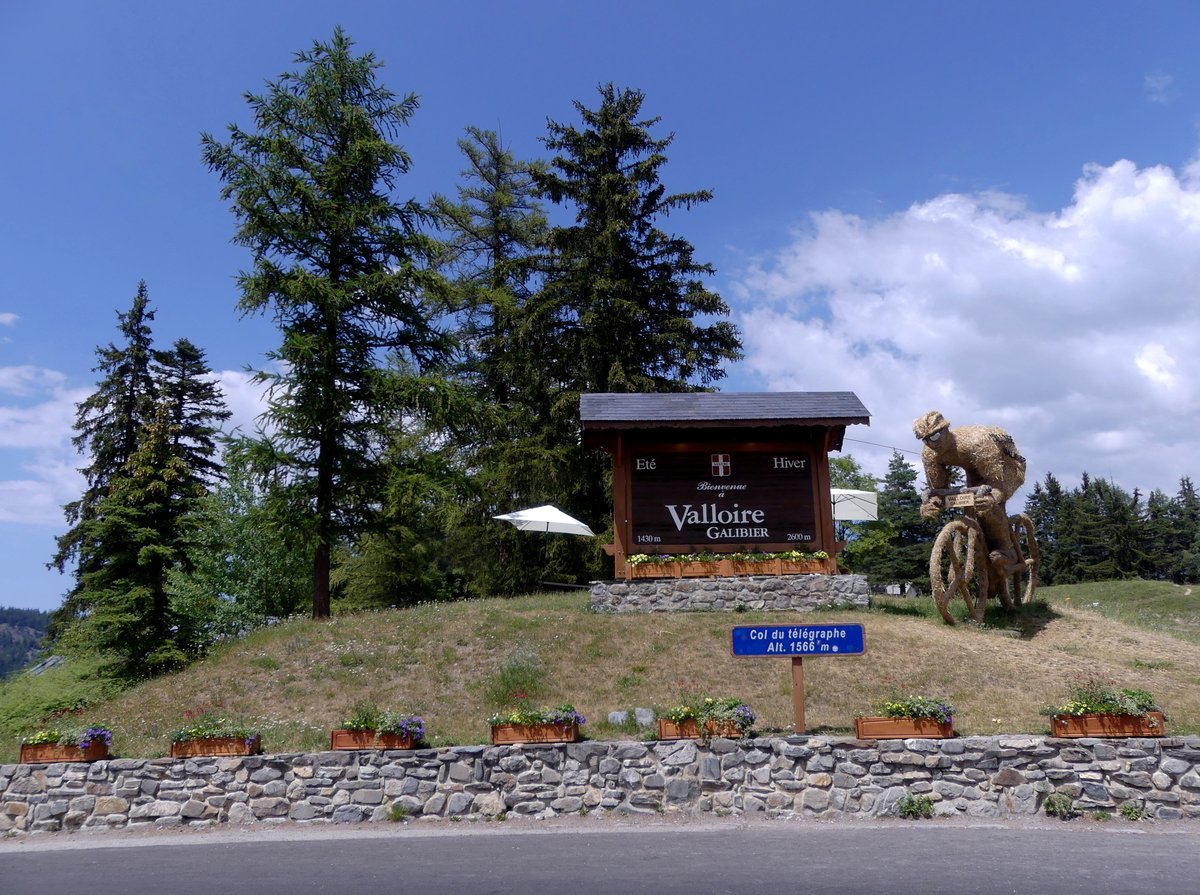
The Full Galibier from Saint-Michel — 34.8 km · ~6% avg
Mont Ventoux
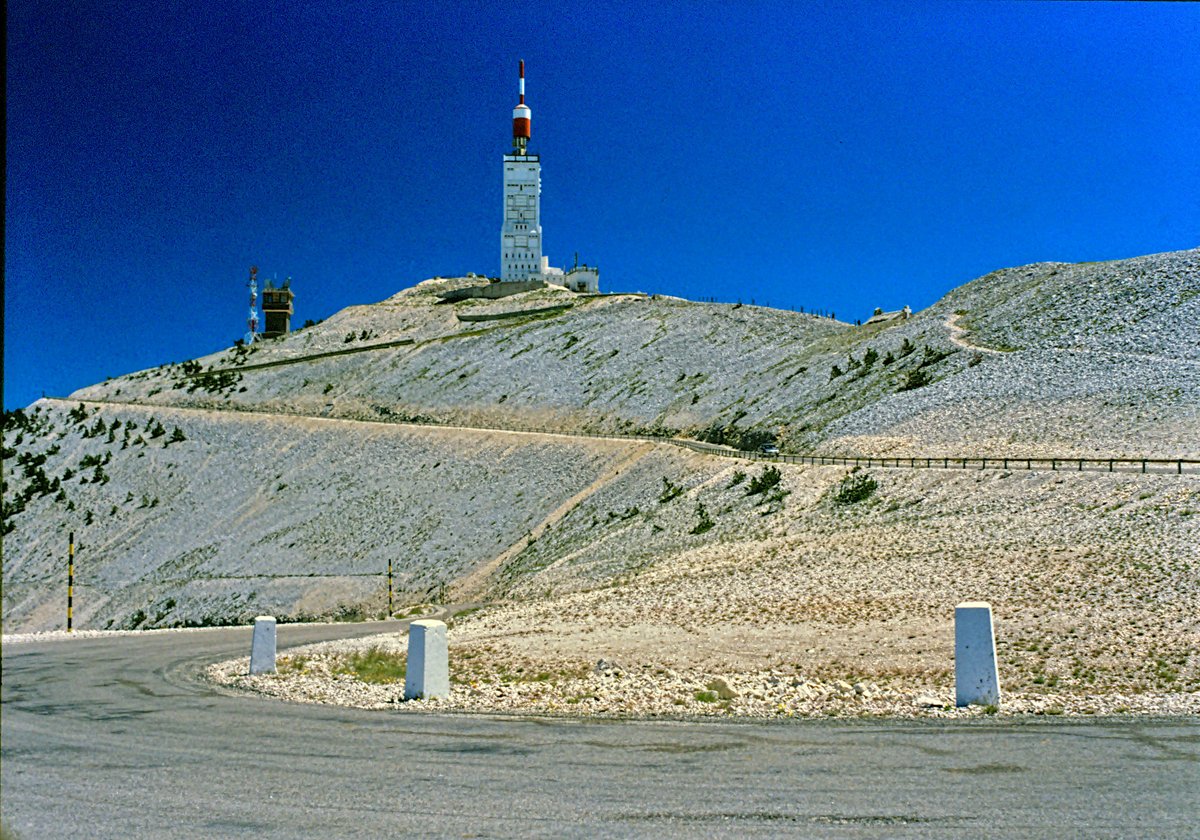
Giant of Provence — 21.8 km · 7.4% avg
Also useful: How to Climb Long Mountain Climbs: Pacing, Effort and Fueling for Alpe d'Huez, Ventoux and the Galibier