French Alps · Trip planner · 7 days, 6 famous summits
One Week in the French Alps: A 7-Day Cycling Plan for Alpe d'Huez, Galibier and the Maurienne Giants
Seven days is enough to ride the climbs that made the Alps famous: Alpe d'Huez, the Croix de Fer, the full Télégraphe and Galibier, the Madeleine and the Glandon. The trick is not fitness alone. It is where you sleep, which order you ride them in, and when you take your foot off the gas. This plan uses two bases and one rest day so you finish the week riding well, not just surviving.
Week at a glance
- Length
- 7 days
- Riding days
- 5 big climbing days + 1 easy day
- Rest day
- Day 4 (also your travel day)
- Bases
- Bourg-d'Oisans (days 1–3), the Maurienne valley (days 4–7)
- Main climbing
- Over 7,000 m on the five big climbs
- Highest point
- 2,642 m (Col du Galibier)
| Day | Where | Main climb | Summit |
|---|---|---|---|
| 1 | Bourg-d'Oisans | Arrive, easy spin | – |
| 2 | Bourg-d'Oisans | Alpe d'Huez | 1,850 m |
| 3 | Bourg-d'Oisans | Col de la Croix de Fer + Glandon detour | 2,067 m |
| 4 | Move to the Maurienne | Rest day | – |
| 5 | Saint-Michel-de-Maurienne | Télégraphe + Galibier | 2,642 m |
| 6 | La Chambre | Col de la Madeleine | 1,993 m |
| 7 | La Chambre | Col du Glandon, then home | 1,924 m |
Why two bases
The famous climbs sit on two sides of one mountain range. Bourg-d'Oisans, in the Oisans valley, is the foot of Alpe d'Huez and the start of the road to the Croix de Fer. The Maurienne valley on the other side is where the Télégraphe, the Madeleine and the north side of the Glandon begin. Riding from one base to everything means long car transfers or long valley rides before every climb. Splitting the week means you start almost every big climb close to your bed.
In the Maurienne, Saint-Jean-de-Maurienne is a practical middle point: Saint-Michel-de-Maurienne, the start of the Télégraphe, is about 13 km up the valley, and La Chambre, the start of the Madeleine and Glandon, is a short way down the valley in the other direction. Saint-Michel itself or La Chambre also work if you prefer a smaller village.
Day by day
Day 1: Arrive in Bourg-d'Oisans
Build the bike, check the brakes and gears, and go for an easy hour on the flat valley roads. Do not be tempted up the first hairpins of the Alpe today. The aim is simply to loosen the legs after the journey and make sure everything works. Eat well, drink plenty, and go to bed early.
Day 2: Alpe d'Huez
| Distance | 13.8 km |
|---|---|
| Average grade | 8.1% |
| Max grade | 13% |
| Elevation gain | 1,120 m |
| Summit | 1,850 m |
Start with the most famous climb of all, right from your door. The 21 numbered hairpins count down from 21 at the bottom to 1 near the top, and the opening ramps are the steepest, so the first kilometres are where most riders go too fast. Ride today well below your limit: you have four more big days ahead. Take the summit photo, put a layer on, and roll back down to Bourg-d'Oisans for lunch. The whole ride is only a morning, which is exactly right for day two.
Day 3: Col de la Croix de Fer, with a detour to the Glandon
| Distance | About 80 km round trip from Bourg-d'Oisans |
|---|---|
| The climb | 29.0 km from Allemond at 5.2% average, 1,506 m of climbing |
| Max grade | 11% |
| Summits | Croix de Fer 2,067 m, Glandon 1,924 m |
This is your first long day. From Bourg-d'Oisans you ride down the valley to Rochetaillée and turn up toward Allemond and the Lac du Verney. The road is irregular: a hard climb to the village of Le Rivier d'Allemond, a short drop to cross the river, then the steepest section of the day through the narrow Maupas gorge up to the huge Lac de Grand Maison dam. After the lake the landscape opens into high pasture and the gradient becomes kinder.
About 2.5 km before the top, the road forks. Carry on to the iron cross at 2,067 m, then on the way back down take the turn to the Col du Glandon: its pass sign is only a few hundred metres from the fork. Two famous cols in one ride, and you will meet the Glandon again from the other side on day 7. Ride back down the same way to Bourg-d'Oisans. Take care on the descent through the gorge, where the road is steep and the short climbs back up catch tired legs by surprise.
Day 4: Rest day and move to the Maurienne
The rest day is not optional. After three days and well over 2,000 m of climbing, your legs need a day off before the biggest climb of the week. Use it to move base to the Maurienne valley. If you must ride, keep it to a short coffee spin on the flat. Wash your kit, check your tyres and brake pads after the descents, and eat properly. Tomorrow you climb for hours.
Day 5: Télégraphe + Galibier from Saint-Michel-de-Maurienne
| Distance | 34.8 km |
|---|---|
| Average grade | ~6% (including the short descent to Valloire) |
| Max grade | ~12% (final km to the Galibier summit) |
| Elevation gain | ~2,100 m |
| Summit | 2,642 m |
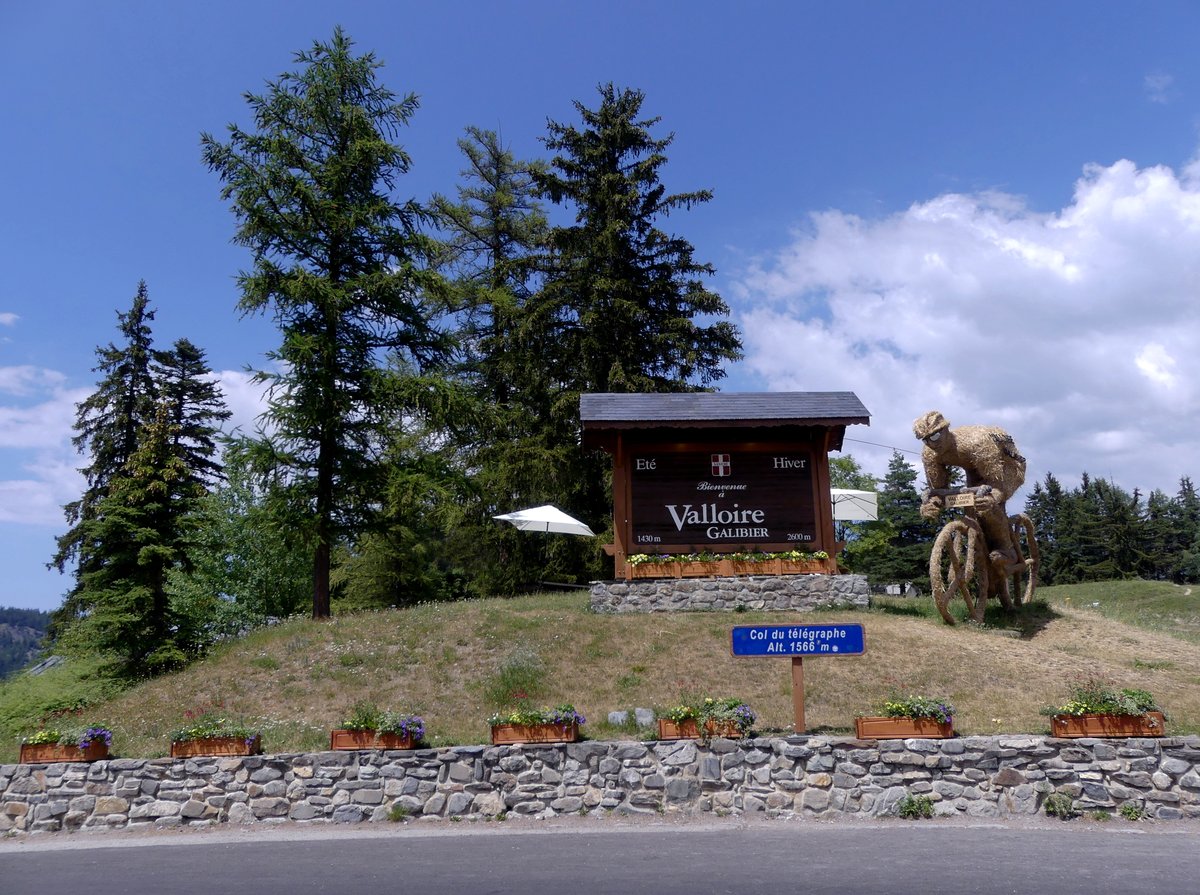
The queen stage of your week. From Saint-Michel-de-Maurienne you climb the Col du Télégraphe (1,566 m), drop briefly into the ski village of Valloire, then ride the long road to the Col du Galibier at 2,642 m. Ride the Télégraphe like a warm-up, refill your bottles and eat in Valloire, and save your effort for the last 8 km above Plan Lachat, where the road steepens in thin air. Pack a windproof jacket and full gloves: even in July the summit is cold. Read our full Télégraphe + Galibier guide before you go.
Day 6: Col de la Madeleine from La Chambre
| Distance | 19.3 km |
|---|---|
| Average grade | 8.0% |
| Max grade | 11% |
| Elevation gain | 1,520 m |
| Summit | 1,993 m |
The day after the Galibier is the hardest test of your pacing, because the Madeleine gives you nothing for free: a steady 8% from the first kilometres almost to the top. Start in your lowest gear and stay there longer than feels necessary. The reward is one of the best views of the week, with Mont Blanc visible on a clear day, and a summit café when it is open. If your legs are completely empty this morning, swap today for an easy valley ride and do the Madeleine instead of the Glandon tomorrow.
Day 7: Col du Glandon from La Chambre, then home
| Distance | 21.3 km |
|---|---|
| Average grade | 6.9% |
| Max grade | 12% |
| Elevation gain | 1,472 m |
| Summit | 1,924 m |
Finish where you passed by on day 3, but from the hard side. The Glandon from La Chambre is long and often quiet, and the final 3 km are the steepest. Go early so you are back down, showered and packed in time to travel home. If you need the day for the journey, this is the climb to drop: you have already stood on top of the Glandon this week.
How hard is this week?
On paper it is over 7,000 m of climbing on the five big climbs alone, more once you count the Glandon detour and the rolling roads in between. That is a big week for any amateur rider. You do not need to be a racer, but you should be comfortable riding several hours with long climbs at home, and you should have ridden at least one climb of an hour or more before you go.
This plan also takes you over almost every climb of La Marmotte, the famous one-day amateur event that links the Glandon, the Télégraphe, the Galibier and Alpe d'Huez in one 177 km day with about 5,000 m of climbing. Riding them over a week is the friendly version. If your trip falls on the Marmotte weekend (it was held on 28 June in 2026), expect crowded roads and full hotels around Bourg-d'Oisans.
Ways to change the plan
- Easier week: ride Alpe d'Huez, the Croix de Fer, the Galibier from Valloire instead of from Saint-Michel, and the Madeleine, with two rest days instead of one. Still four legendary summits.
- Harder week: skip the rest day and ride the full Galibier on day 4, or add Alpe d'Huez a second time on day 1 at an easy pace. Only do this if you have ridden big mountain weeks before.
- One base only: stay in Bourg-d'Oisans all week. Ride the Galibier from the south side over the Col du Lautaret (2,058 m) and replace the Madeleine and Glandon with Chamrousse above Grenoble. Fewer famous names, but no hotel change.
- Northern Alps instead: for a quieter trip, base yourself in Morzine or Samoëns and ride Col de Joux Plane, Avoriaz and the Col du Ranfolly.
Pro tips
- Go easy on day 2. The first climb sets the tone for the whole week. Riding Alpe d'Huez flat out on day two is the most common way to ruin day five.
- Keep the rest day a rest day. One easy day lets your legs recover enough to enjoy the Galibier instead of grinding through it.
- Gear low. A compact chainset with a wide cassette (for example 34×30–34) makes a week of 8% climbs far more pleasant.
- Eat more than at home. Several hours of climbing every day burns far more energy than you think. Eat on every climb and have a proper meal every evening.
- Pack for winter at the top. A windproof jacket, full gloves and arm or knee warmers belong in your pocket every day, even in midsummer.
- Check your brakes every evening. A week of alpine descents wears brake pads fast, especially in the rain.
- Start early. Mornings are cooler, quieter and less windy, and you have time to wait out an afternoon storm.
- Check that the roads are open. The high passes are closed in winter. The Galibier is usually closed from about mid-October to late May, and snow, landslides, or cyclist-only road days can change things at short notice.
The climbs in this plan
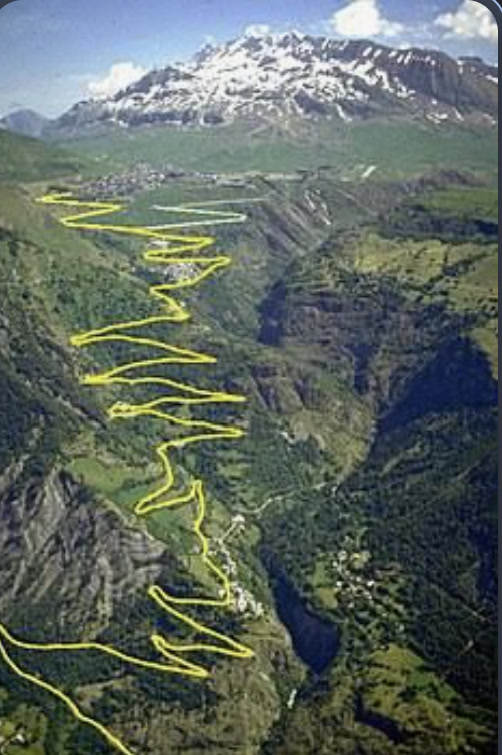
Alpe d'Huez
The 21 Hairpins — 13.8 km · 8.1% avg
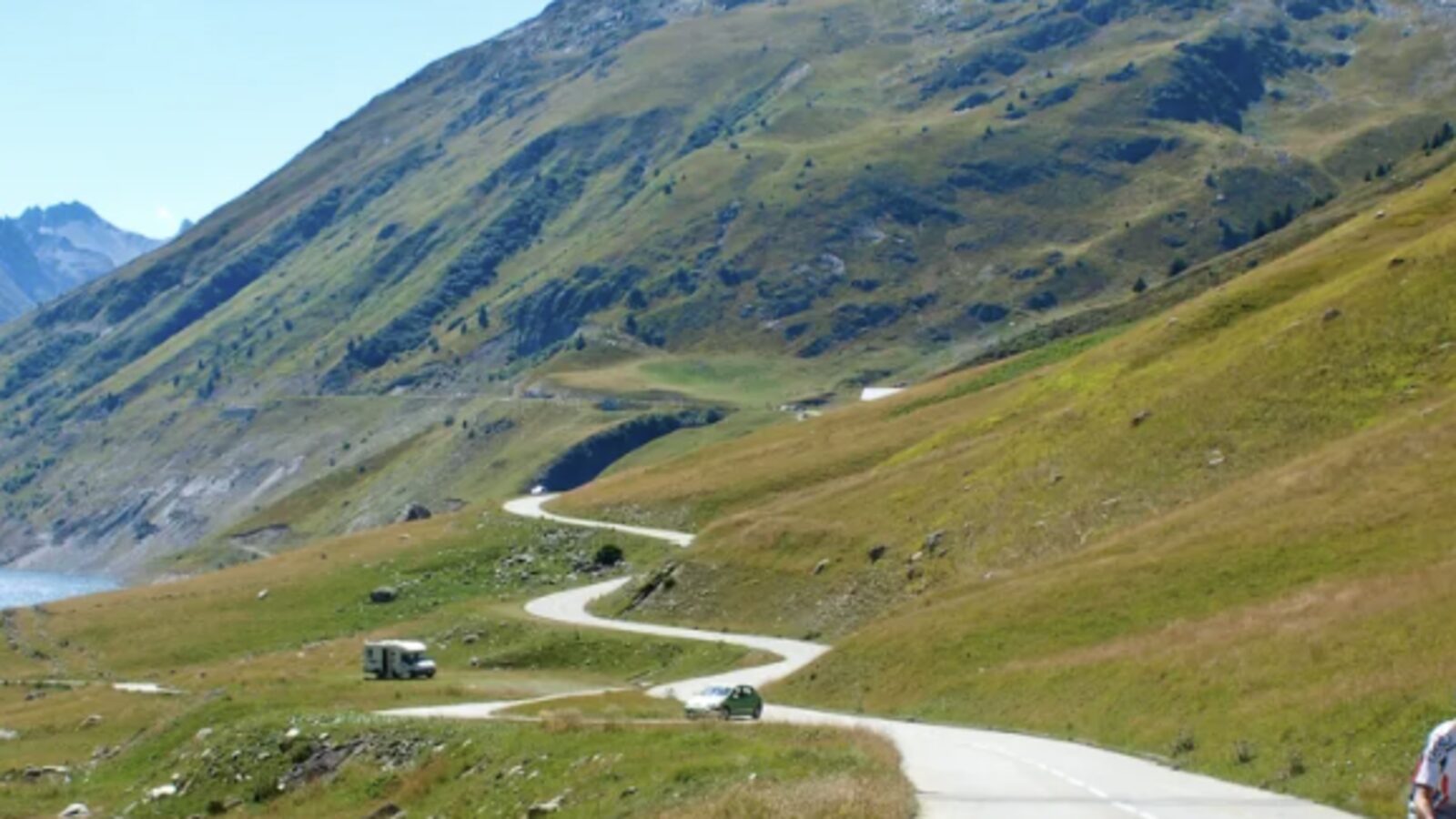
Col de la Croix de Fer
The Iron Cross — 29.0 km · 5.2% avg
Télégraphe + Galibier
The Full Galibier from Saint-Michel — 34.8 km · ~6% avg
Col de la Madeleine
The Beauty and the Beast — 19.3 km · 8.0% avg
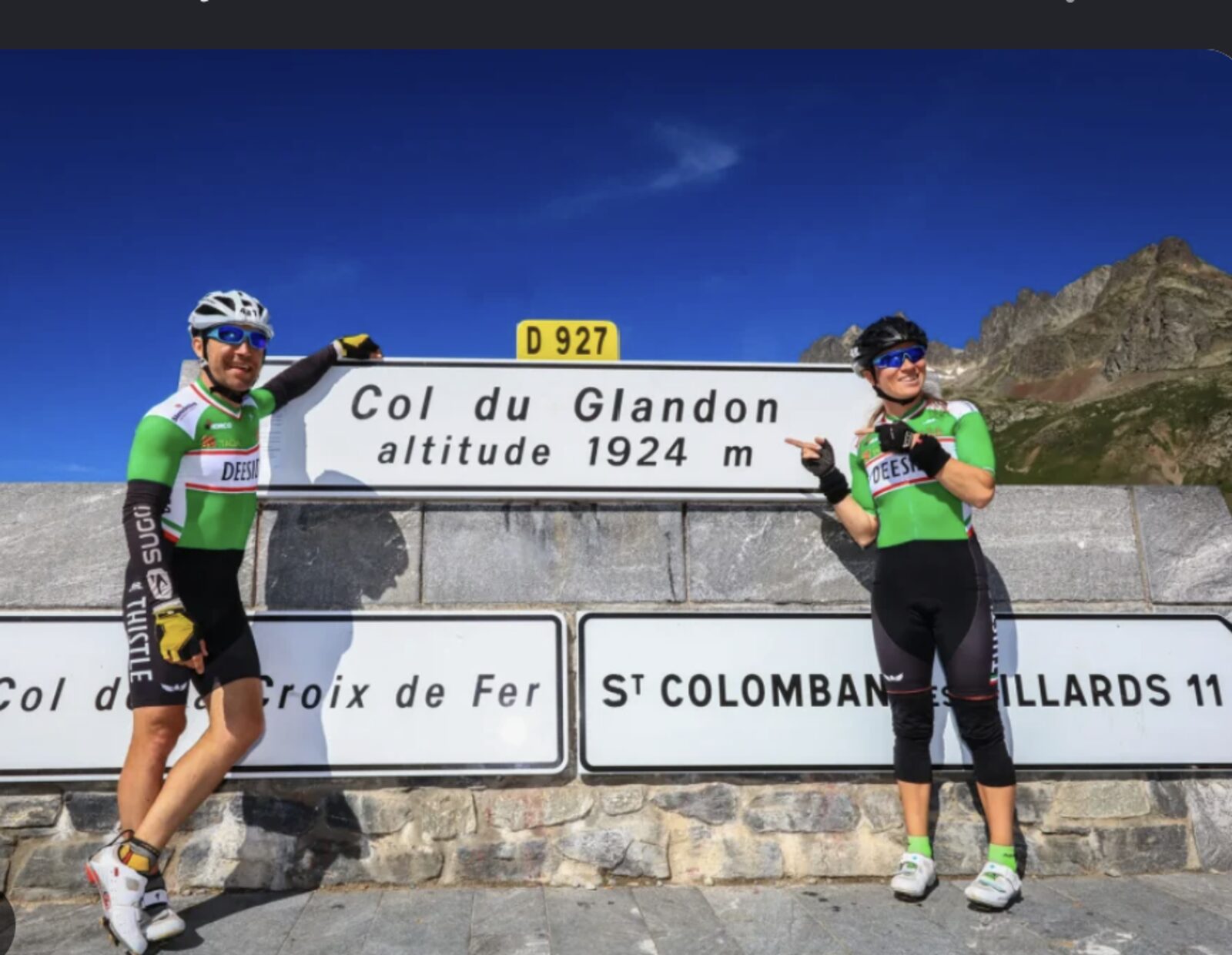
Col du Glandon
The Steep and Silent Giant — 21.3 km · 6.9% avg