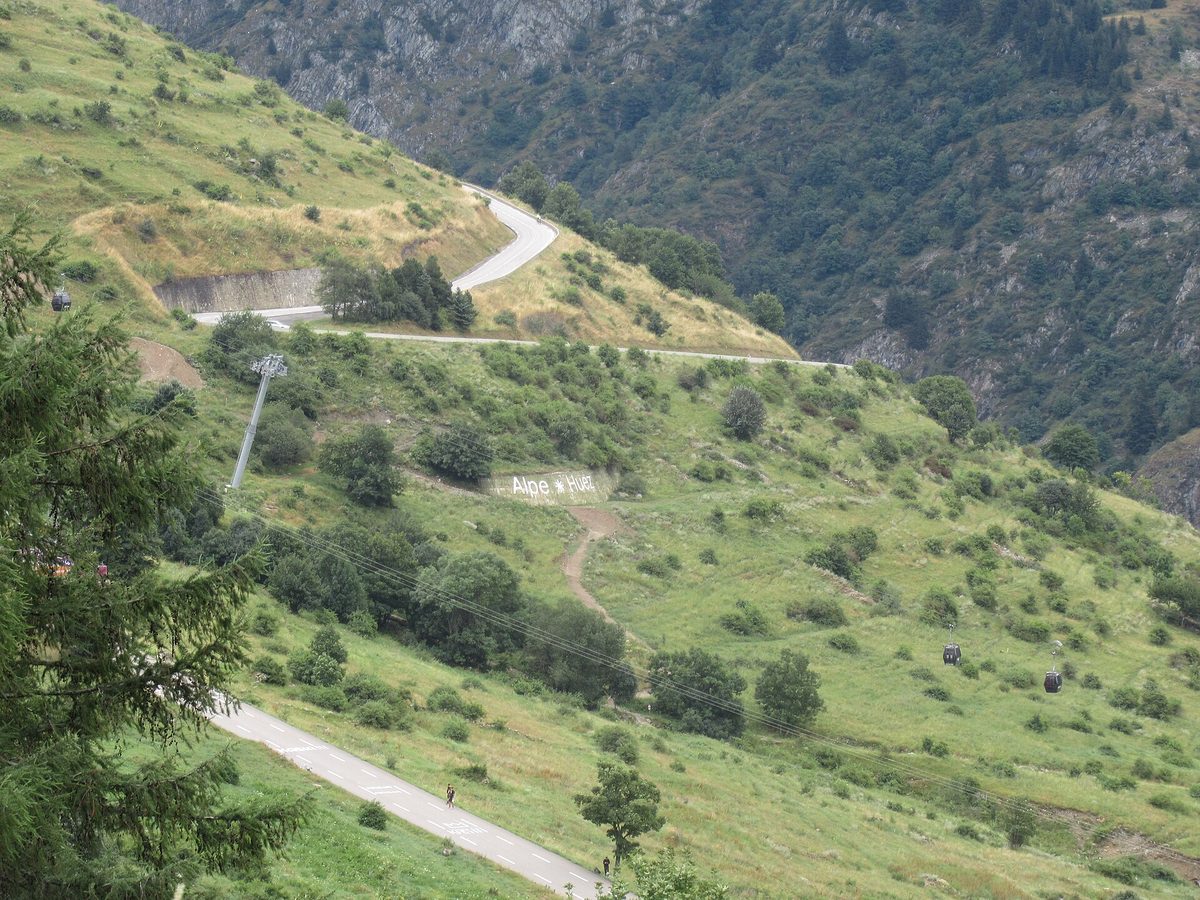
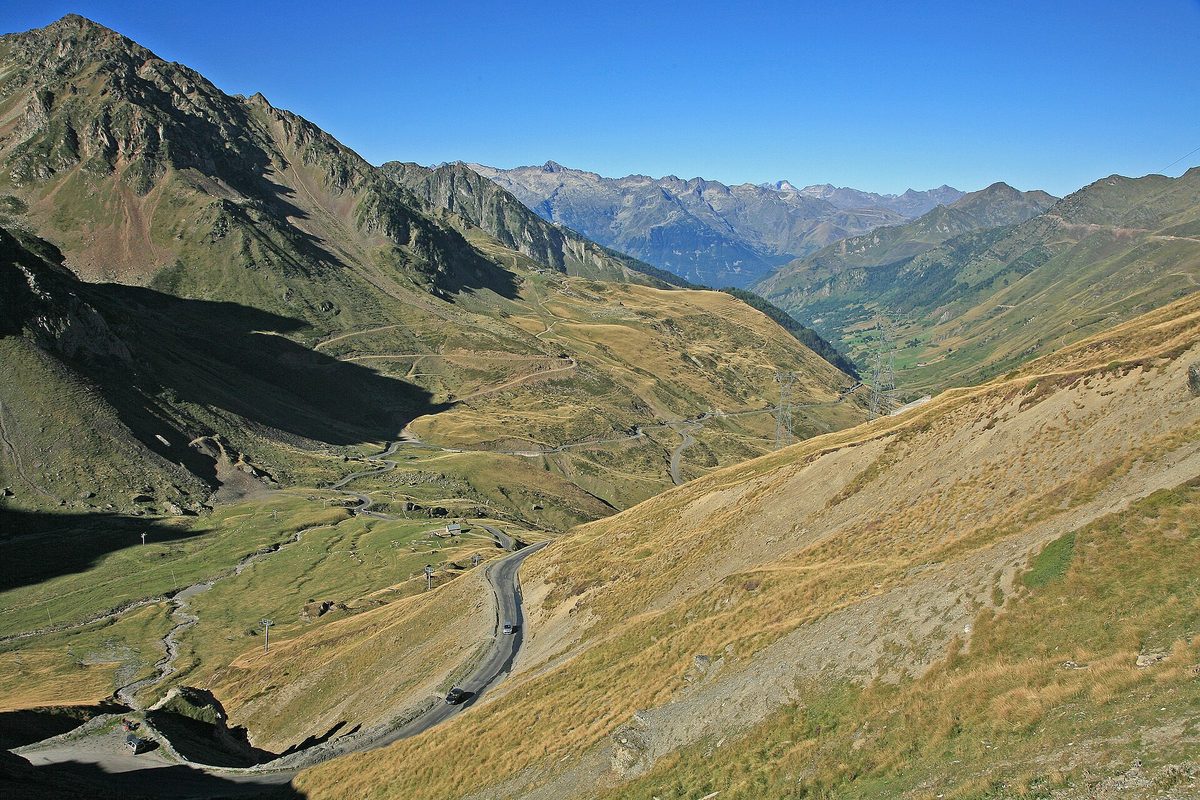
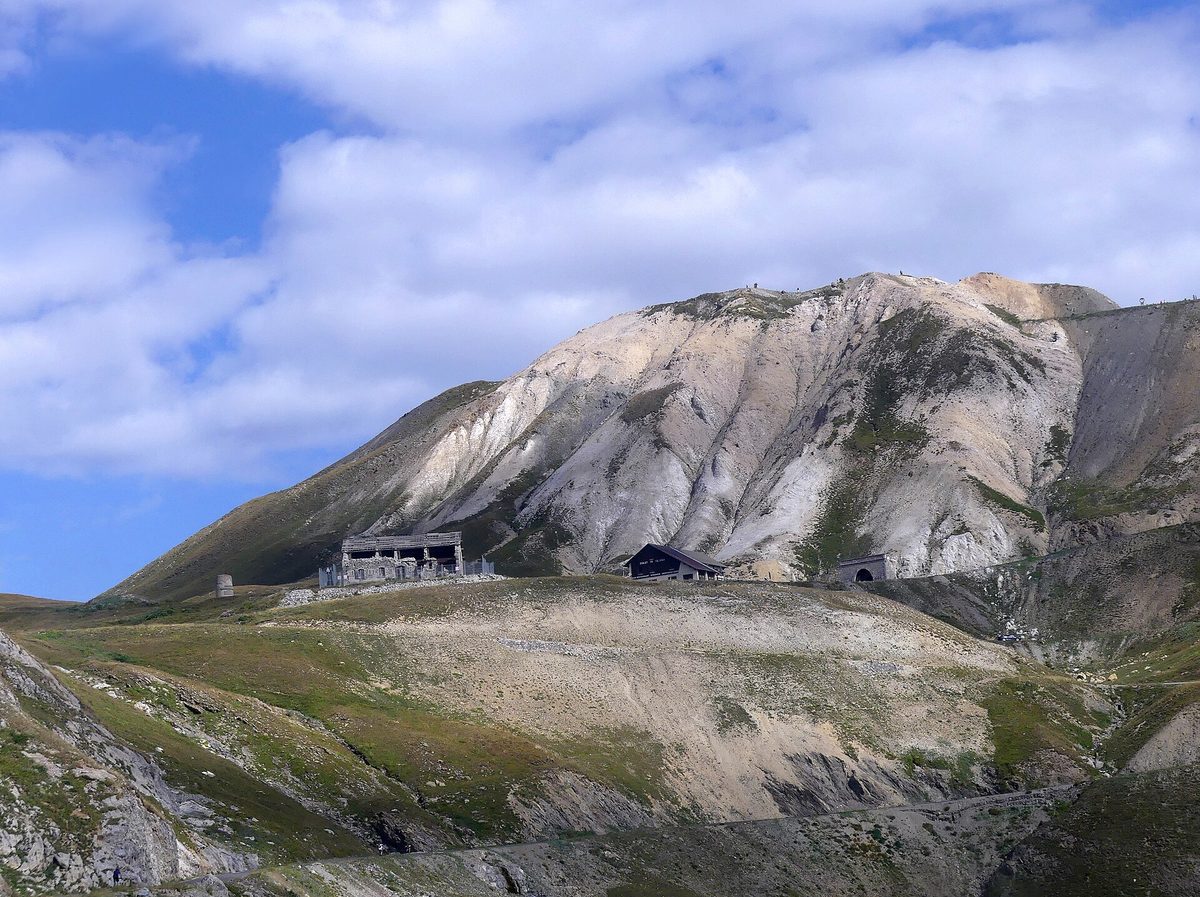
Provence · HC climb · Three approaches
Conquer Mont Ventoux: The Giant of Provence
The Giant of Provence stands alone above the vineyards — three roads to a bald limestone summit at 1,910 m, a Tour de France legend, and a climb every road cyclist wants on the résumé.
Quick facts
- Distance
- 21.8 km
- Average grade
- 7.4%
- Max grade
- 12%
- Elevation gain
- 1,617 m
- Summit
- 1,910 m
The experience
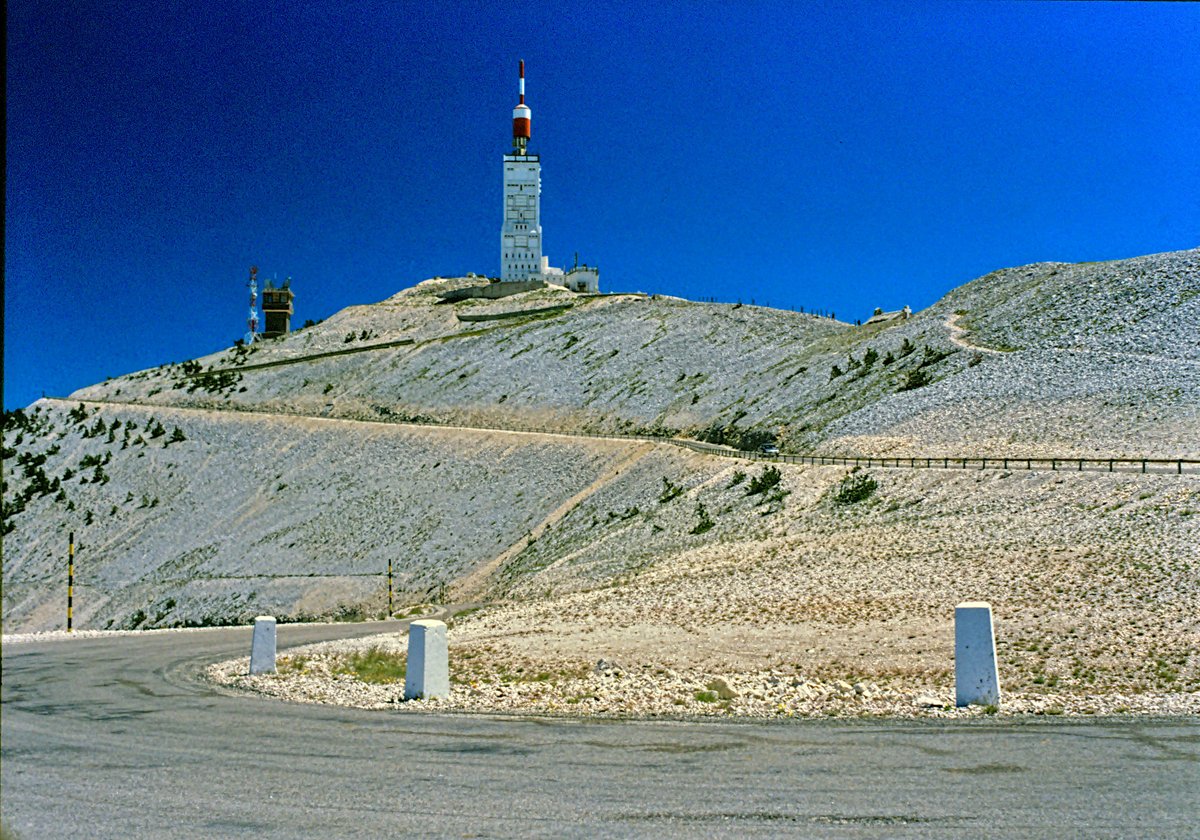
Mont Ventoux is not a classic alpine pass squeezed between higher peaks — it is a freestanding giant above Vaucluse. Three roads reach the observatory at about 1,910 m; the classic Tour approach from Bédoin is 21.8 km at roughly 7.4% average with about 1,617 m of gain.
From Bédoin the vines ease you in, then the forest delivers a long stretch near 9–10% with little to look at but the next bend. Chalet Reynard opens onto the white limestone moonscape; the last kilometres are often a fight with the mistral as much as with the gradient.
Malaucène offers a similar total difficulty with a more irregular profile and better wind shelter; Sault is longer and gentler until it joins Bédoin's hard final kilometres at Chalet Reynard. Pick the side for the day — or ride a Bédoin-up, Sault-down loop.
Weather is part of the climb. Wind and temperature at the summit can be nothing like the valley forecast. Celebrate at the observatory, layer up, and descend with respect — most accidents happen on the way down.
Pro tips
- Pace past the Bédoin vines — the forest is where the climb starts in earnest.
- Carry two bottles and eat early; heat and wind both empty the tank.
- Check summit wind before you commit past Chalet Reynard or Mont Serein.
- Use compact gearing; this is a long HC effort, not a short punchy climb.
- Ride early in summer for cooler air and quieter roads.
- Pack a gilet for the summit and the descent; control speed on the way down.
Record times
- 54:41 – Tadej Pogačar, Tour de France 2025, stage 16 (Reuters). Domestique, whose timing other outlets cited, gives 54:51, so the sources disagree by 10 seconds. Both are unofficial timings over about 21.5 km from Bédoin. Sources: Reuters, Domestique
- 55:51 – Iban Mayo, Critérium du Dauphiné 2004 (mountain time trial). This was the record for 21 years. Sources: Domestique, Eurosport ES
- 57:34 – Marco Pantani, Tour de France 1994. This was the Tour record before 2025. Source: Domestique
Context: Mayo was later banned for two years by CAS after an EPO positive at the 2007 Tour (Cyclingnews). The 2004 Dauphiné top 5 is a snapshot of that era. Eurosport España also printed 54:32 for Jonas Vingegaard in 2025, but that conflicts with the other reports, so it is left out here.
Strava segment: Mont Ventoux on Strava
Estimate your time up Mont Ventoux
By our model, a 72 kg rider on an 8 kg bike holding 216 W (3 W/kg) needs about 1:49 for the 21.8 km and 1,617 m of Mont Ventoux. Enter your weight, your bike's weight and the power you can hold for about an hour of climbing.
Estimated time: 1:48:32
More about the climb time calculator ·
Steady power, no wind, no stops, and the average grade of the whole climb. Steep ramps, flat sections and descents are only evened out roughly, so irregular climbs will be less accurate. Your values are saved only in this browser.
How do you compare with the record?
Enter your time from the bottom to the top (21.8 km).
Race times are unofficial and measured on slightly different routes and segments, so use this for fun, not as an exact comparison.