Mallorca · Cat 1 climb · Down first, then back up
Ride Sa Calobra: 9.4 km at 7% from the sea to the Coll dels Reis (682 m)
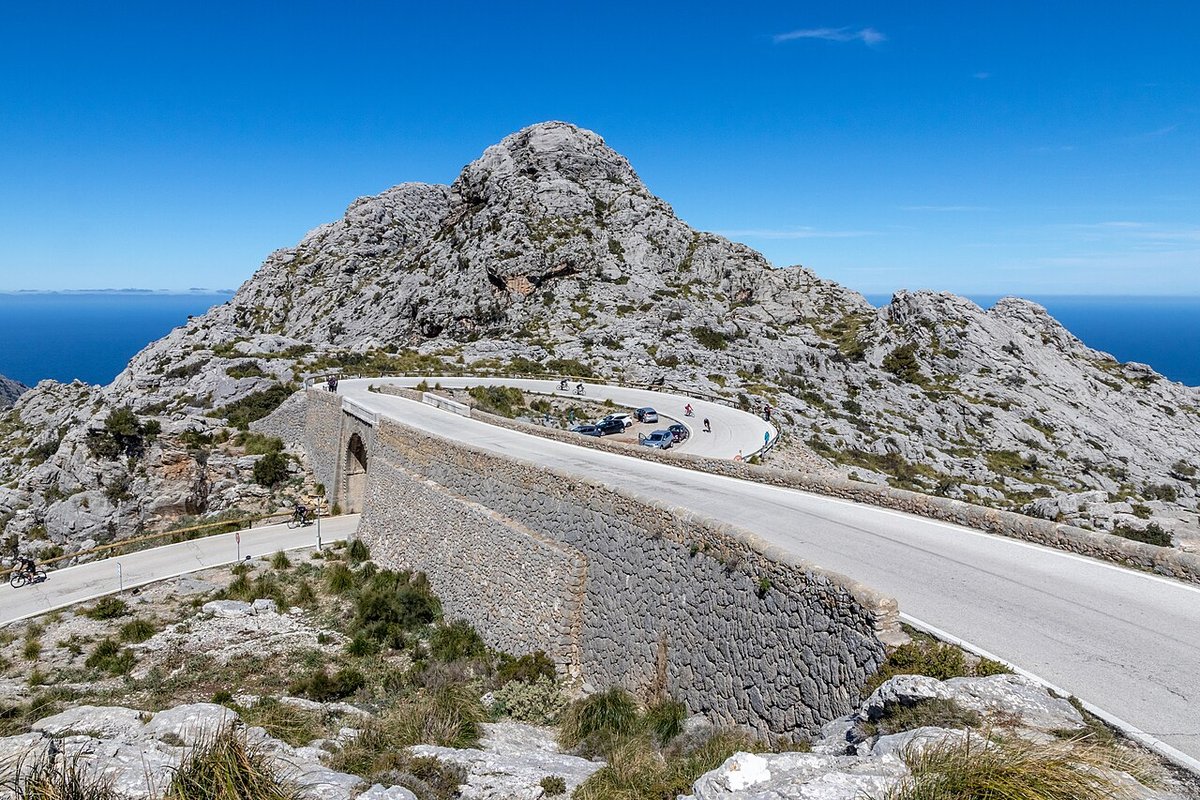
Sa Calobra is a dead end. The road drops from the Coll dels Reis to a small cove on Mallorca's north coast and simply stops, so every rider who goes down has to climb back up: 9.4 km at 7%, through a narrow rock gorge, a long run of hairpins and the famous Nus de sa Corbata, where the road loops round and passes under itself.
Quick facts
- Distance
- 9.4 km
- Average grade
- 7%
- Max grade
- ~11%
- Elevation gain
- ~670 m
- Summit
- 682 m
The experience
The climb runs from the port of Sa Calobra, almost at sea level, to the Coll dels Reis at 682 m. Most measurements give 9.4–9.5 km at about 7% with roughly 670 m of climbing. The road (Ma-2141) leaves the main Tramuntana road, the Ma-10, next to an aqueduct that crosses it. From that turn it is another 2.6 km and about 140 m of climbing to the Coll dels Reis, and only then does the long descent to the sea begin.
Section by section, going up: the first couple of kilometres are sheltered and steady, and early on you pass through the narrow gorge where the rock walls almost touch. From around the third kilometre it gets steeper. Higher up the road becomes open and the hairpins come one after another. Each bend is a little flatter, which gives you a second to breathe. Near the top you ride round the Nus de sa Corbata, the 270-degree loop over a stone bridge, and the last stretch to the Coll dels Reis is the steepest part of the climb, at 9–11%.
The road was designed by the engineer Antonio Parietti, who also built the road to Cap de Formentor, and opened in 1933 (some sources say it was finished in 1932). It was built for tourists, not to be the shortest way to the sea, which is why it follows the shape of the mountain instead of going straight. The road is usually described as having 26 bends. At the bottom, a footpath through short tunnels leads to the beach at the mouth of the Torrent de Pareis gorge.
Sa Calobra has never been a Tour or Vuelta climb, but it is the most popular test climb in Europe for pro teams on winter training camps. In December 2022 Tom Pidcock rode it in 22 minutes 46 seconds, as reported by Cyclist and road.cc, which was almost two minutes faster than the previous best. He held 386 watts for 22 minutes, and that was part of a 133 km training ride.
Our time estimate (own calculation, rider and bike 80 kg in total, steady power, same model as our other guides): about 63 minutes at 150 watts, 53 minutes at 180 W and 39 minutes at 250 W. As a check, the same model gives Pidcock (58 kg plus bike, 386 W) about 23 minutes 40 seconds, less than a minute off his real time, so the numbers are in the right range. For an 80 kg rider and bike to match his 22:46, you would need around 480 watts for the whole climb.
Gears by the same calculation, at 180 W: on the 7% sections you ride at about 10.7 km/h, which is 69 pedal turns per minute on 34×28. On the steep last kilometre at around 9.5% you slow to about 8 km/h, which is 53 turns per minute on 34×28 and 61 on 34×32. That last kilometre takes about 7 of the 53 minutes. A normal compact chainset with a 28- or 30-tooth sprocket is enough for most riders, but a 32 makes the top more comfortable.
The trap is that you see the whole climb from the wrong direction first. The descent feels fast and fun, and it is easy to forget that the hardest part is waiting at the very end of the way back up. Our advice: use the descent to take note of the gorge, the hairpins and the knot, so you know where you are on the way up. Ride the first two-thirds at a pace where you can still talk, and keep something for the last 2–3 km after the knot. Plan your timing too: allow 20–30 minutes to ride down carefully (our estimate, with stops for traffic), and aim to start the descent by about 9:00, so you are climbing back up before the tour coaches arrive, from around 10:30–11:30.
Pro tips
- Mistake: forgetting it is a dead end: You have to climb back out. Do not ride down unless you have the legs, the water and the time for 9.4 km at 7%.
- Mistake: racing the descent: Fast riders going down meet tired riders and wide coaches coming up, often on blind bends. The section between the Cala Tuent turn and the port is known for crashes.
- Mistake: starting the climb too hard: The gradient is steady for a long time, and the steepest part comes after the Nus de sa Corbata, right at the end.
- Fill your bottles at the port: There is no water on the climb itself. The cafés and restaurants at the bottom are the last sure place to refill.
- Give way in the gorge: Traffic going uphill has right of way in the narrow gorge near the bottom, and coaches take the middle of the road there. Slow down well before it on the way down.
- Go early, especially in summer: The climb has very little shade. Spring and autumn are the most popular months for cycling in Mallorca, and in July and August an early start matters even more.
- Use a rear light: The Ma-10 road to and from the turn-off has unlit tunnels. A small flashing rear light helps drivers see you.
Estimate your time up Sa Calobra
By our model, a 72 kg rider on an 8 kg bike holding 216 W (3 W/kg) needs about 45 min for the 9.4 km and 670 m of Sa Calobra. Enter your weight, your bike's weight and the power you can hold for about an hour of climbing.
Estimated time: 45:17
More about the climb time calculator ·
Steady power, no wind, no stops, and the average grade of the whole climb. Steep ramps, flat sections and descents are only evened out roughly, so irregular climbs and climbs with approximate figures (~) will be less accurate. Your values are saved only in this browser.
What was your average speed?
Enter your time from the bottom to the top (9.4 km).
More climbs to compare
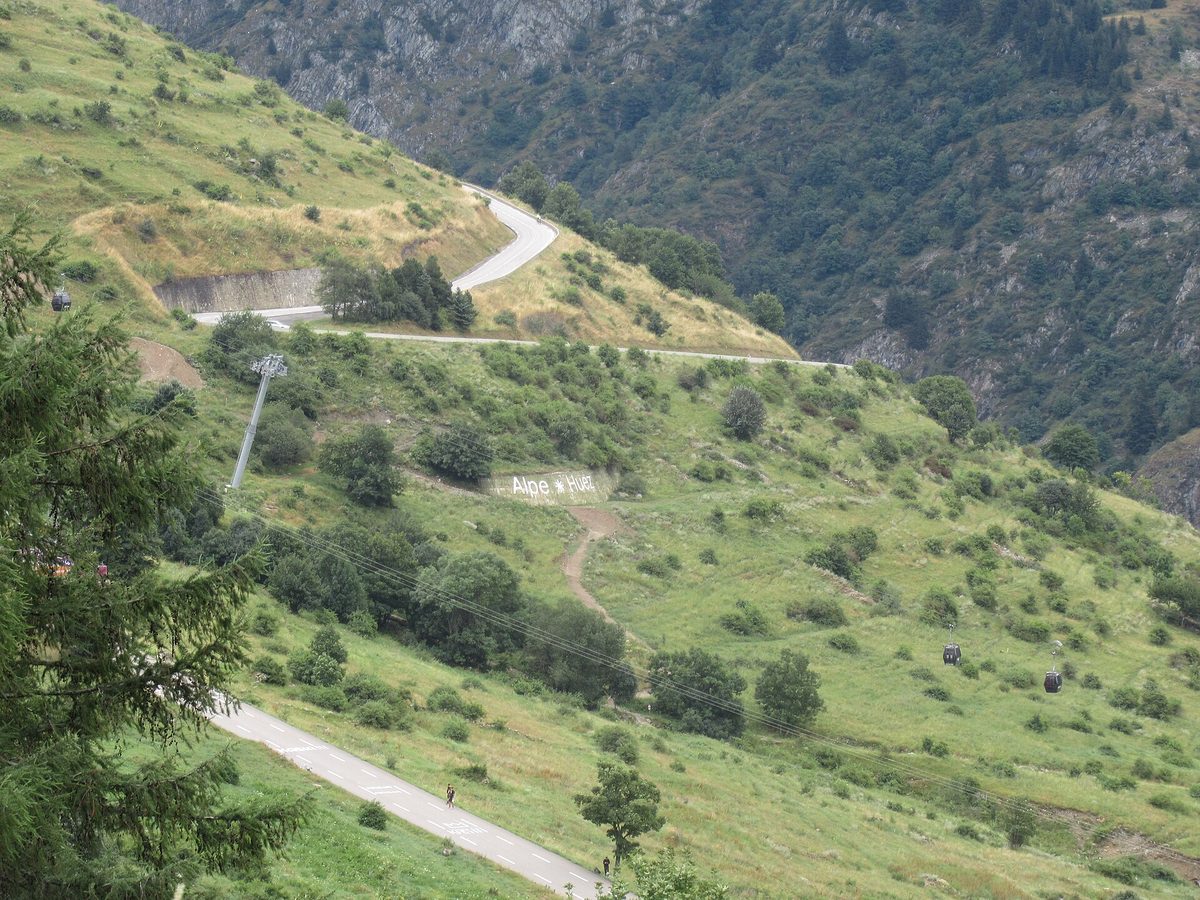
Alpe d'Huez
The 21 Hairpins — 13.8 km · 8.1% avg
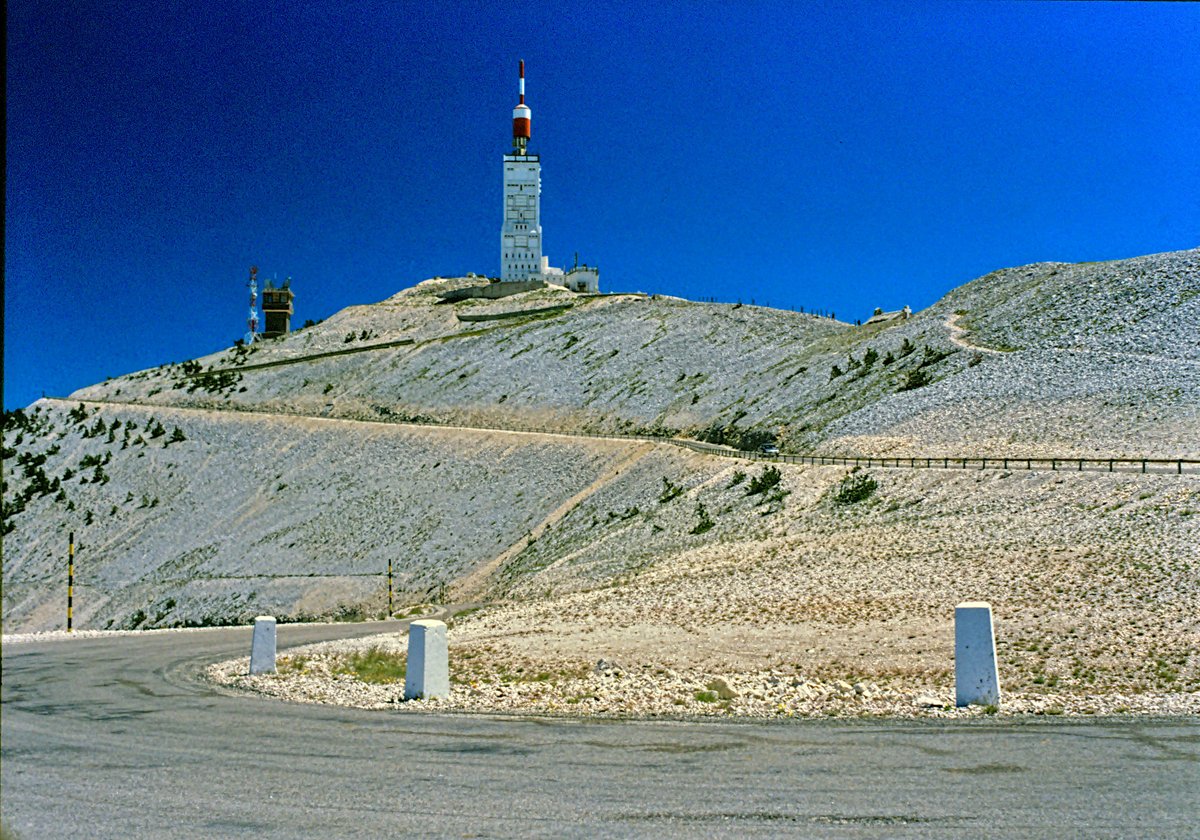
Mont Ventoux
Giant of Provence — 21.8 km · 7.4% avg
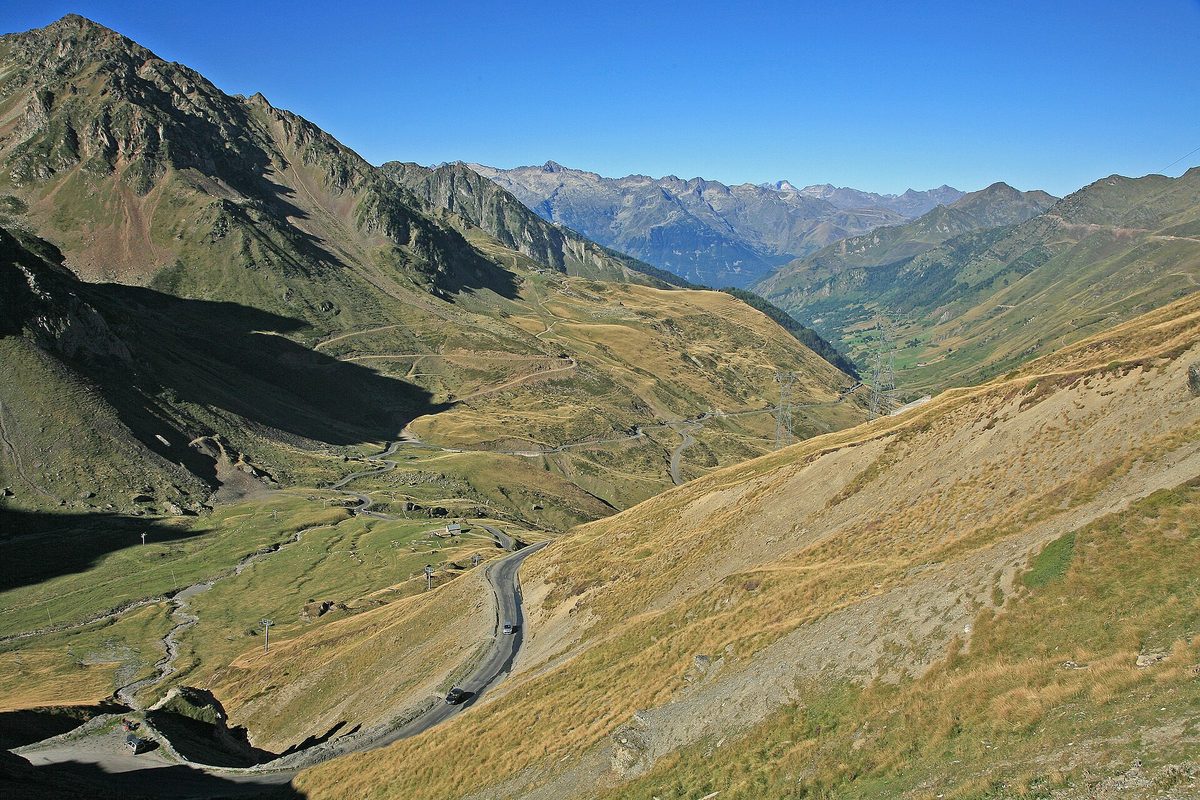
Col du Tourmalet
Giant of the Pyrenees — 19.0 km · 7.4% avg
Also useful: Gearing for Mountain Climbs: Chainrings, Cassettes and Bike Setup for Alpe d'Huez, the Galibier and the Angliru
Also useful: How to Climb Long Mountain Climbs: Pacing, Effort and Fueling for Alpe d'Huez, Ventoux and the Galibier