French Alps · Trip planner · Seasons and pass opening dates
When to Ride the French Alps: The Best Months for Cycling Alpe d'Huez, the Galibier and the Big Cols
You can ride Alpe d'Huez in almost any month, but the Galibier, the Croix de Fer and the other high passes are buried under snow for half the year. Pick the wrong week and you meet a closed barrier, a snowstorm at the summit, or a road full of Tour de France camper vans. Pick the right one and you get open roads, long days and quiet hairpins. This guide goes month by month so you can choose the right time for your trip.
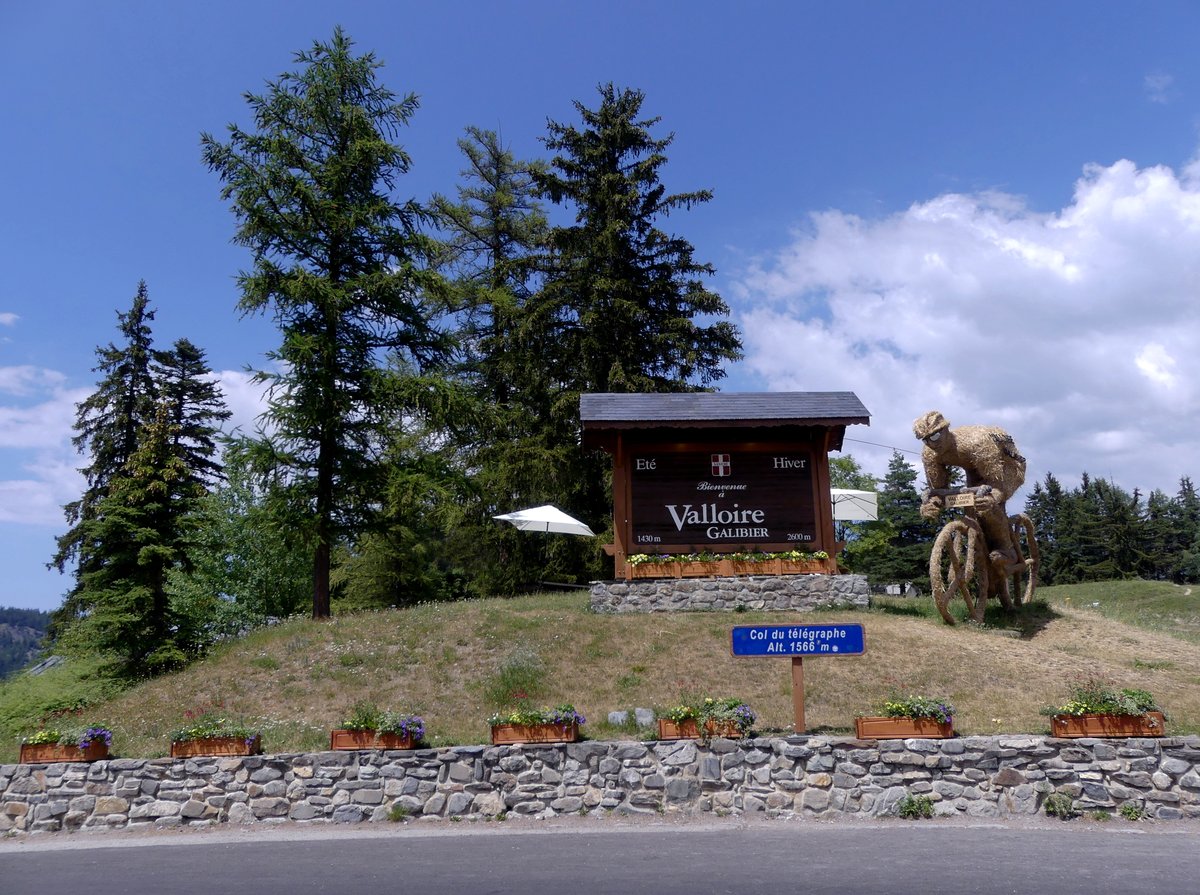
The short answer
- Best weeks
- Mid-June to mid-July, and September
- High passes open
- Usually late May to mid-June
- High passes close
- Late October to early November
- Open all year
- Alpe d'Huez, Col du Télégraphe
- Busiest
- Late July and August
Month by month at a glance
| Month | Passes | Weather | Crowds | Verdict |
|---|---|---|---|---|
| May | Many high passes still closed | Cool, snow at the top | Quiet | Too early for the big cols |
| June | Opening one by one | Mild, long days, snow banks | Moderate | Very good from mid-June |
| July | All open | Warm to hot, afternoon storms | Busy, Tour de France | Good, but plan around the race |
| August | All open | Hot in the valleys, storms | Busiest | Good if you start early |
| September | All open | Cooler, settled, shorter days | Quiet | Excellent |
| October | Open until the first snow | Cold mornings, risk of snow | Very quiet | A gamble |
| November to April | High passes closed | Winter | – | Not for road climbs |
When the passes open and close
The high passes are closed in winter, cleared by snowploughs in spring, and opened on a planned date that the snow can push back. In the Savoie department, which looks after the Maurienne passes, the planned opening dates are spread between the third Friday of May and the second Friday of June, and the planned closing date is the first or second Monday of November. In practice the first heavy snow often comes earlier: in 2025 all of the passes below closed between 20 and 23 October.
| Pass | Summit | Planned opening | Opened in 2026 | Planned closing |
|---|---|---|---|---|
| Col de la Croix de Fer | 2,067 m | 3rd Friday of May | 29 May | 1st Monday of November |
| Col de la Madeleine | 1,993 m | 4th Friday of May | 29 May | 1st Monday of November |
| Col du Glandon | 1,924 m | Last Friday of May | 19 June (roadworks) | 2nd Monday of November |
| Col du Galibier | 2,642 m | 1st Friday of June | 5 June | 1st Monday of November |
| Col de l'Iseran | Highest pass in Savoie | 2nd Friday of June | 12 June | 1st Monday of November |
Three things to know about these dates:
- They are plans, not promises. A snowy spring or a landslide can keep a pass shut for weeks. In 2026 the Glandon opened three weeks after its planned date because of roadworks lower down.
- The Galibier opens in two steps. The road tunnel below the summit usually opens about a week before the summit road. Bikes are not allowed in the tunnel, so for cyclists the Galibier is only open when the summit road is.
- Some climbs never close. Roads to ski resorts are kept open all winter, so Alpe d'Huez can be ridden in any month when the road is clear of snow and ice. The Col du Télégraphe is also open all year, as far as the ski village of Valloire.
Always check the live road status before you set out. The Savoie road service publishes it on savoie-route.fr, and the Maurienne tourist office keeps a pass status page in English.
Month by month
May: too early for the big cols
May is quiet and green in the valleys, but most of the famous high passes are still closed for much of the month, and those that open late in May often have walls of snow beside the road and freezing summits. You can ride Alpe d'Huez and the Télégraphe to Valloire, but you cannot build a proper Alps trip around them yet. If you want a big climb in spring, Mont Ventoux in Provence is the better choice: the summit road from Bédoin usually reopens in mid-April, and the Malaucène side in mid-May.
June: the season opens
By mid-June most passes are open, the days are the longest of the year, and the summer crowds have not arrived yet. Snow banks often line the top of the Galibier, which makes for great photos and cold descents. Early in the month, check every pass you plan to ride, because a late opening or a cold spell can change your plans.
Watch out for one weekend: La Marmotte, the big one-day amateur event over the Glandon, Télégraphe, Galibier and Alpe d'Huez, fills hotels around Bourg-d'Oisans and crowds the roads on the day. In 2026 it was held on 28 June.
July: high summer and the Tour de France
Every pass is open, the weather is usually warm and stable in the mornings, and the atmosphere on the climbs is at its best. The catch is the Tour de France. When the race comes to the Alps, roads on the route close for hours on race day, and the famous climbs fill with camper vans and fans for days before. In 2026 the Tour finished on Alpe d'Huez two days in a row: stage 19 from Gap on 24 July and stage 20 from Le Bourg-d'Oisans on 25 July, over the Croix de Fer, the Télégraphe, the Galibier and the Col de Sarenne. If you want to watch, it is an unforgettable experience. If you want to ride quiet roads, check the route as soon as it is announced and stay away from those valleys that week.
French school summer holidays start in early July, so traffic and hotel prices rise as the month goes on.
August: busiest and hottest
August is the peak of the holiday season in France, so the climbs carry the most cars, motorbikes and campervans, and hotels near the famous climbs book up early. It is often the hottest time of year in the valleys, and afternoon thunderstorms are common in the mountains. None of that stops a good trip: start at first light, be off the high summits by early afternoon, and you will have the best part of the day to yourself.
September: our favourite month
The holiday crowds are gone, the passes are still open, and the weather is often settled and clear. Mornings are fresh and the summits are cold, so pack more warm clothing than in July, and remember that the days are getting noticeably shorter. Some cafés and hotels in the ski villages close after the summer season, so check before you book. For a relaxed trip with quiet roads, early and mid-September is hard to beat.
October: a gamble
The roads are empty and the autumn colours are beautiful, but this is when the first real snow arrives. A single storm can close the high passes for the winter, as happened around 20 October in 2025. Book only if you can be flexible, keep lower climbs and ski-resort roads such as Alpe d'Huez as your backup, and expect frosty mornings.
November to April: winter
The high passes are closed and covered in snow, and the ski resorts are open for skiing. Road cycling in the high Alps is over until spring.
Weather at the top is different
The valley forecast does not tell you what it will be like at 2,000 m. Air gets colder by roughly 6.5 °C for every 1,000 m you climb. On the full Télégraphe + Galibier climb you start in Saint-Michel-de-Maurienne at about 710 m and finish at 2,642 m, nearly 2,000 m higher, so the summit is typically around 12 °C colder than the start, before you add wind. A pleasant 25 °C in the valley can mean 13 °C at the top, and much less on the descent with sweat on your skin.
In summer, the bigger risk is thunderstorms. Warm, humid days often build towers of cloud over the peaks around midday, and storms break in the afternoon with hail, lightning and sudden cold. Exposed high summits are the worst place to be when that happens. Start early, keep an eye on the sky, and turn around if a storm is building above you.
Car-free mornings
Every summer, some passes close to cars for a morning so cyclists can ride them in peace. Many of these events are free and need no registration, but dates change every year, so check the current programme before your trip.
- Le Galibier aux Vélos (Savoie): in 2026 the road from Plan Lachat to the summit of the Galibier was closed to motor traffic on the mornings of 29 June, 16 July and 4 August (from 9:00 to 12:00 on 16 July).
- Haute-Savoie au Sommet: in 2026 a different climb in Haute-Savoie was closed to cars from 9:00 to 12:00 on most Tuesday mornings from 30 June to 25 August.
Planning a trip around one of these days is one of the nicest ways to ride a famous climb.
Our pick
For most riders, the best weeks are mid-June to mid-July, before the Tour de France and the main holidays, and the first three weeks of September, after the crowds have gone home. Both give you open passes, long enough days and quieter roads. If you can only travel in late July or August, it still works: base yourself away from the Tour route, ride early every day, and book your hotel well ahead.
Once you have picked your dates, our one-week French Alps plan shows how to fit Alpe d'Huez, the Croix de Fer, the Galibier, the Madeleine and the Glandon into seven days.
Pro tips
- Check every pass the evening before. Opening dates are only plans, and summer storms or roadworks can close a road at short notice.
- Do not count on the Galibier before mid-June. It is one of the last passes to open, and the tunnel does not help cyclists.
- Start early in July and August. Cooler air, fewer cars, and you are off the summit before the afternoon storms.
- Pack for winter at the top in every month. A windproof jacket and full gloves belong in your pocket even in midsummer, and in September and October add arm and knee warmers.
- Look up the Tour de France route. It is announced the autumn before. Ride elsewhere that week, or plan a day to watch.
- Avoid the Marmotte weekend unless you are riding it: the roads are crowded and hotels around Bourg-d'Oisans are full.
- Have a backup climb. Alpe d'Huez and the Télégraphe stay open all year, so they are good fallbacks early and late in the season.
- Book early for summer. Hotels near the famous climbs fill up for July and August.
Sources
- Pass opening and closing dates: Département de la Savoie road service, savoie-route.fr "conseils aux usagers" table, checked 9 October 2026. Planned ("date de principe") opening: Croix de Fer 3rd Friday of May, Madeleine 4th Friday of May, Glandon last Friday of May, Galibier tunnel last Friday of May, Galibier summit road 1st Friday of June, Iseran 2nd Friday of June. Planned closing: 1st Monday of November (Iseran, Galibier, Croix de Fer, Madeleine) and 2nd Monday of November (Glandon).
- What actually happened: in 2025 the Iseran and Galibier closed on 20 October, the Glandon on 21 October, the Croix de Fer on 22 October and the Madeleine on 23 October. In 2026 the Croix de Fer, Madeleine and Galibier tunnel opened on 29 May, the Galibier summit road on 5 June, the Iseran on 12 June and the Glandon on 19 June, late because of roadworks on the D927 above Saint-Colomban-des-Villards (Le Dauphiné, 29 May 2026; savoie.fr, 19 June 2026).
- Col du Télégraphe open all year: Maurienne tourist office live information (cycling-french-alps.com/live-info).
- Car-free mornings: Le Galibier aux Vélos 2026 on 29 June, 16 July and 4 August, from Plan Lachat to the summit, closed to motor traffic (9:00 to 12:00 confirmed for 16 July; the 4 August closure was confirmed without hours) (Département de la Savoie press release, 7 July 2026; explore-savoie.com). Haute-Savoie au Sommet 2026: 9:00 to 12:00, mostly Tuesdays, 30 June to 25 August, free, no registration (Le Dauphiné, 21 April and 17 June 2026).
- Tour de France 2026: 4 to 26 July; stage 19 Gap to Alpe d'Huez on 24 July; stage 20 Le Bourg-d'Oisans to Alpe d'Huez on 25 July over the Croix de Fer, Télégraphe, Galibier and Col de Sarenne (letour.fr, Cyclingnews, olympics.com). La Marmotte 2026: 28 June, as on our one-week plan.
- Mont Ventoux: summit road closed to all vehicles including bikes from 18 November 2025 to 17 April 2026 above Chalet Reynard (south side) and until 13 May 2026 above Mont Serein (north side); the usual pattern is mid-November to mid-April on the south side and mid-May on the north side (ventouxprovence.fr, Le Dauphiné 16 April 2026, La Provence).
- Temperature with height: standard atmosphere lapse rate of about 6.5 °C per 1,000 m. Saint-Michel-de-Maurienne is at about 710 m and the Galibier summit at 2,642 m, a difference of about 1,930 m, so roughly 12 °C colder at the top.
- Climb figures: copied from our own climb guides, checked 9 October 2026.
Climbs mentioned in this guide
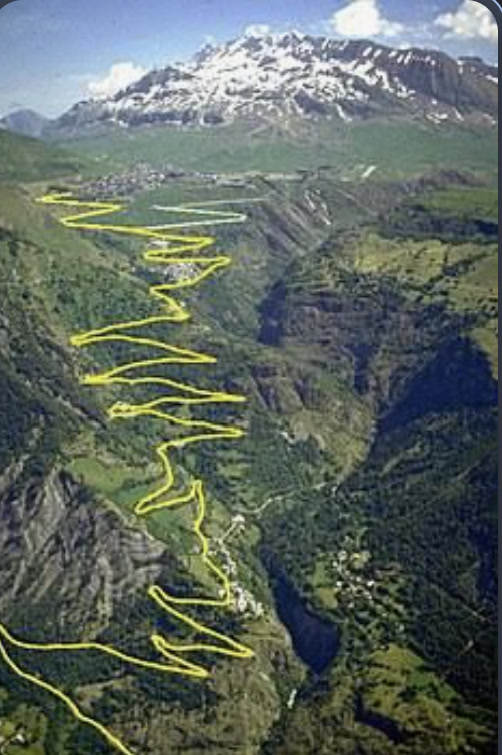
Alpe d'Huez
The 21 Hairpins — 13.8 km · 8.1% avg
Télégraphe + Galibier
The Full Galibier from Saint-Michel — 34.8 km · ~6% avg
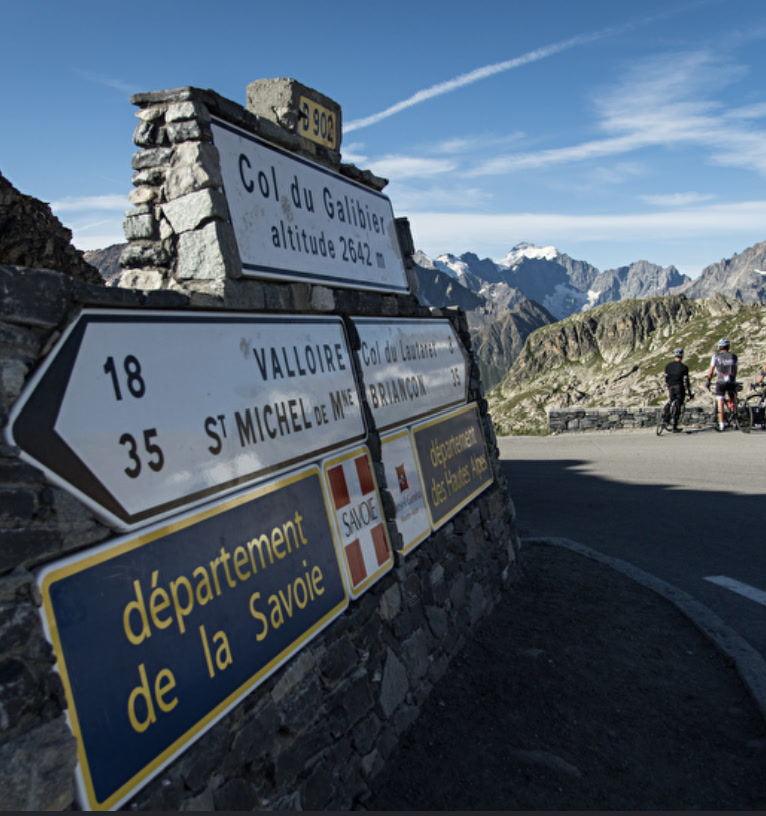
Col du Galibier
Roof of the Alps — 18.1 km · 6.9% avg
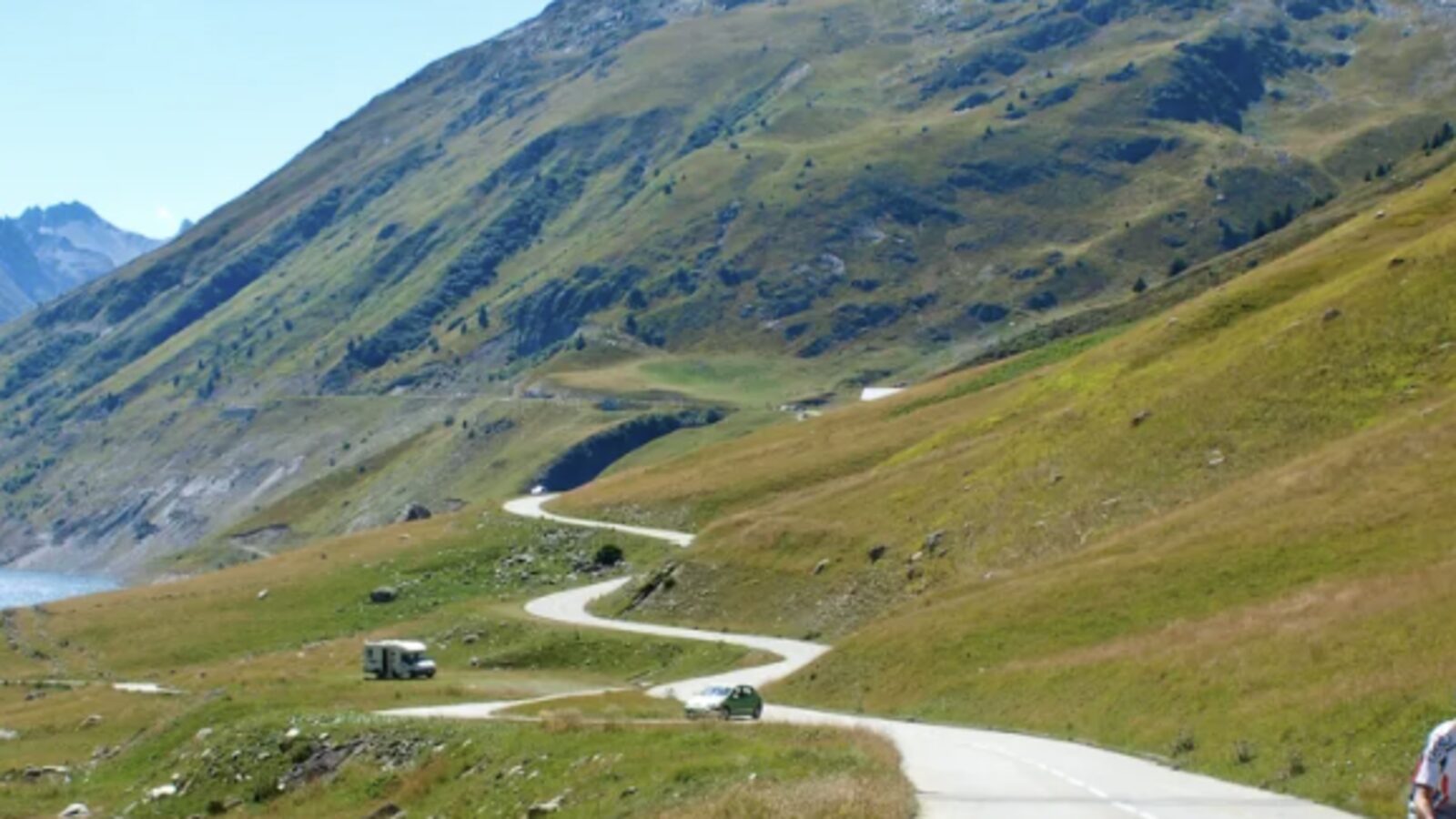
Col de la Croix de Fer
The Iron Cross — 29.0 km · 5.2% avg
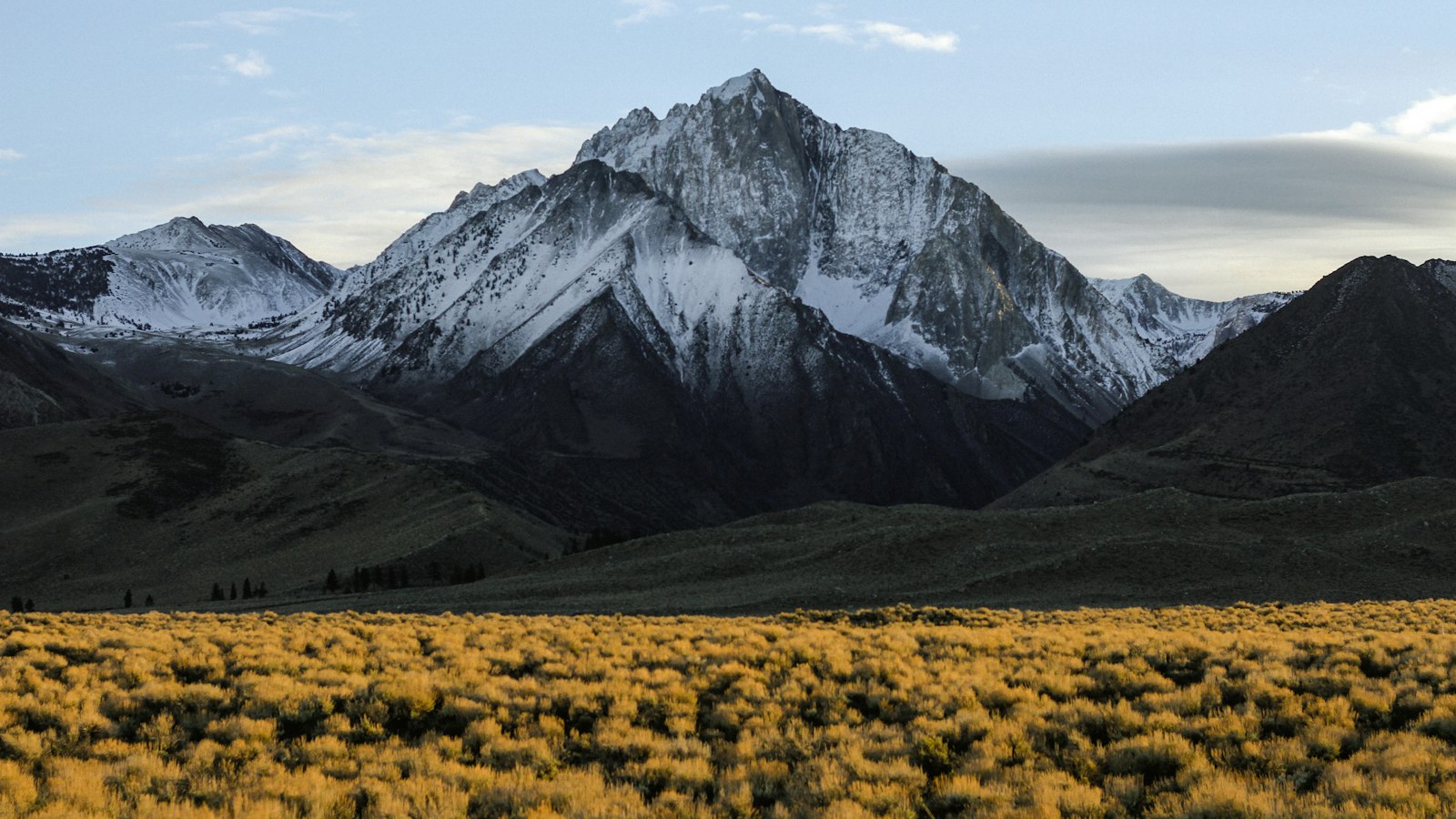
Col de la Madeleine
The Beauty and the Beast — 19.3 km · 8.0% avg
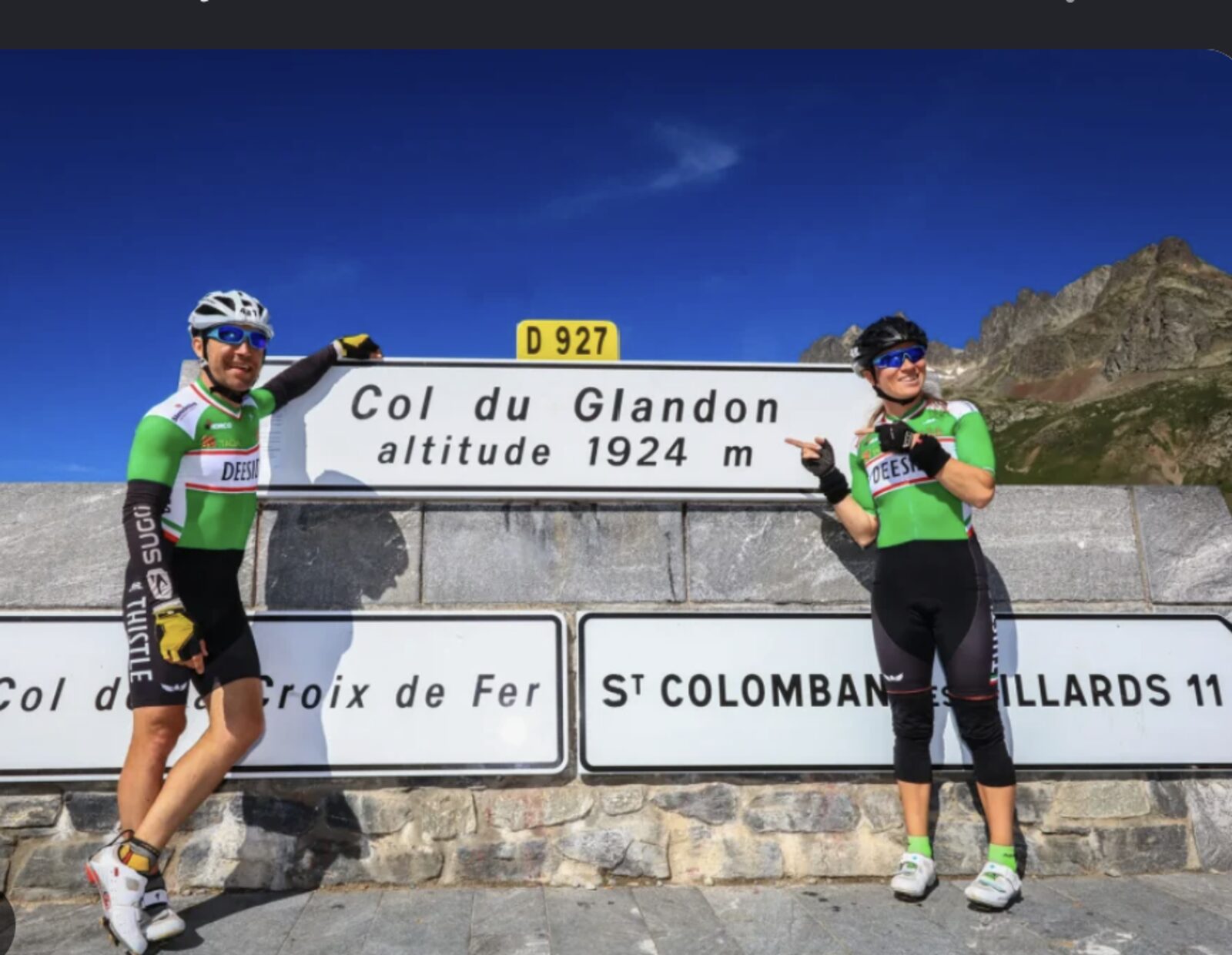
Col du Glandon
The Steep and Silent Giant — 21.3 km · 6.9% avg
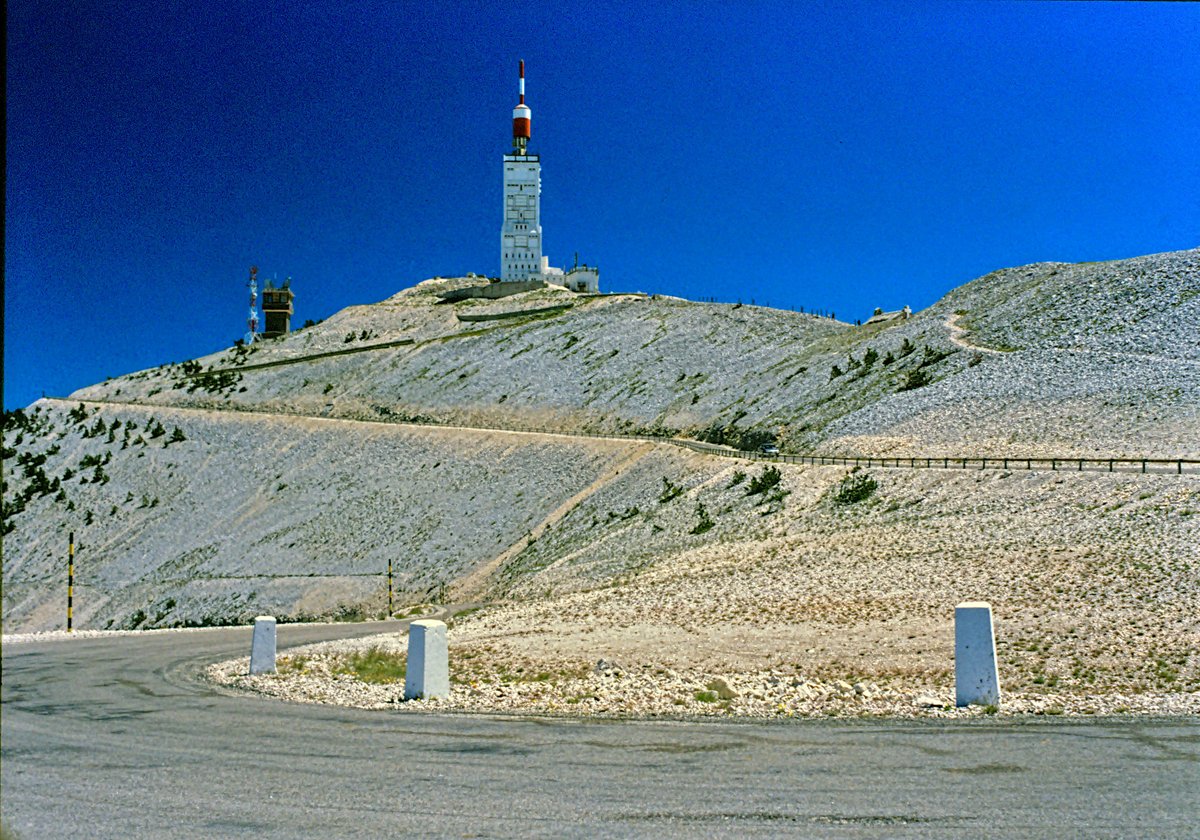
Mont Ventoux
Giant of Provence — 21.8 km · 7.4% avg